Showing posts with label career. Show all posts

Wednesday, July 29, 2020

The Best How To Change Career Paths With No Experience References

Considering a Career Change? Five Strategies to Get You Started by
Considering a Career Change? Five Strategies to Get You Started by from medium.com

Are you feeling stuck in your current job with no opportunity for growth or advancement? Have you been wanting to change career paths but feel like you don't have the necessary experience? Don't worry, you're not alone. Many people face this challenge at some point in their lives. The good news is that it's never too late to change career paths, even if you have no experience in your desired field. In this article, we will explore how you can make a successful career change without having any prior experience.

One of the biggest challenges in changing career paths is the lack of experience. Many employers are looking for candidates with specific skills and knowledge in their industry. This can make it difficult for someone who is looking to switch careers and doesn't have any relevant experience. However, it's important to remember that experience is not the only factor that employers consider when hiring. There are other qualities and skills that can make you a strong candidate, such as transferable skills, passion, and a willingness to learn.

The first step in changing career paths with no experience is to identify your transferable skills. These are skills that you have gained through previous jobs, volunteer work, or even hobbies that can be applied to a new industry or role. For example, if you have experience in customer service, you can highlight your communication and problem-solving skills, which are valuable in many industries. Additionally, think about any certifications or courses you can take to enhance your knowledge and make you a more competitive candidate.

In summary, changing career paths with no experience may seem daunting, but it is definitely possible. By identifying your transferable skills, gaining relevant knowledge and certifications, networking, and demonstrating your passion and willingness to learn, you can make a successful career change. Remember, it's never too late to pursue your dreams and find a fulfilling career.

How to Change Career Paths with No Experience: A Personal Experience

When I decided to change career paths from marketing to graphic design, I faced the challenge of not having any experience in the design field. However, I knew that my creativity, attention to detail, and problem-solving skills were transferable to graphic design. I started by taking online courses and tutorials to learn the basics of design software and principles. I also reached out to local design studios and offered to work on small projects for free to gain experience and build my portfolio. Through networking and showcasing my passion for design, I was able to land my first design job and start my new career path.

Changing career paths with no experience requires dedication and perseverance. It's important to be proactive in gaining knowledge and skills, and to network with professionals in your desired industry. Don't be afraid to take on internships or volunteer work to gain experience and build your portfolio. Remember, it's never too late to pursue your passion and make a career change.

What is "How to Change Career Paths with No Experience"?

Changing career paths with no experience refers to the process of transitioning from one job or industry to another without having any relevant experience in the desired field. This can be a challenging task as many employers prioritize candidates with specific skills and knowledge. However, with the right approach and mindset, it is possible to make a successful career change even without prior experience.

To change career paths with no experience, it's important to identify your transferable skills, gain relevant knowledge and certifications, network with professionals in your desired industry, and showcase your passion and willingness to learn. By highlighting your transferable skills and demonstrating your commitment to learning and growth, you can overcome the lack of experience and make a successful transition to a new career.

The History and Myth of How to Change Career Paths with No Experience

The idea that changing career paths without any experience is impossible is a common myth. Many people believe that they are stuck in their current job or industry because they lack the necessary experience. However, this is not true. While experience is important, it is not the only factor that employers consider when hiring. There are many other qualities and skills that can make you a strong candidate, such as transferable skills, passion, and a willingness to learn.

The history of changing career paths with no experience can be traced back to individuals who were willing to take risks and pursue their passions. Throughout history, there have been countless examples of people who made successful career changes without any prior experience. These individuals were driven by their desire for personal fulfillment and were willing to put in the necessary effort to acquire the skills and knowledge needed for their new career.

The Hidden Secret of How to Change Career Paths with No Experience

The hidden secret of changing career paths with no experience is that employers are often more interested in your potential and willingness to learn than your previous experience. While experience can be beneficial, it is not always necessary to make a successful career change. Employers are looking for candidates who are passionate, driven, and have a strong work ethic. By showcasing these qualities and highlighting your transferable skills, you can overcome the lack of experience and make a successful transition to a new career.

One of the best ways to demonstrate your potential and willingness to learn is by gaining relevant knowledge and certifications. This can be done through online courses, workshops, or even self-study. By investing in your own learning and development, you can show employers that you are serious about making a career change and are willing to put in the necessary effort to succeed.

Recommendations for How to Change Career Paths with No Experience

If you are considering changing career paths with no experience, here are some recommendations to help you make a successful transition:

  1. Identify your transferable skills: Take inventory of the skills you have gained through previous jobs, volunteer work, or hobbies that can be applied to your desired field.
  2. Gain relevant knowledge and certifications: Take online courses, attend workshops, or pursue certifications to gain the necessary knowledge and skills for your new career.
  3. Network with professionals in your desired industry: Attend industry events, join professional organizations, and connect with professionals in your desired field to learn from their experiences and gain valuable insights.
  4. Showcase your passion and willingness to learn: Demonstrate your enthusiasm for your new career path and your commitment to learning and growth. Highlight any projects or initiatives you have undertaken to gain experience or enhance your skills.

How to Change Career Paths with No Experience: Key Takeaways

Changing career paths with no experience is possible with the right approach and mindset. By identifying your transferable skills, gaining relevant knowledge and certifications, networking with professionals, and showcasing your passion and willingness to learn, you can make a successful career change. Remember, it's never too late to pursue your dreams and find a fulfilling career.

Tips for How to Change Career Paths with No Experience

If you're looking to change career paths with no experience, here are some tips to help you navigate the process:

  • Research your desired industry: Gain a thorough understanding of the industry you want to enter, including its trends, challenges, and required skills.
  • Identify your transferable skills: Take inventory of the skills you have gained in your current or previous roles that can be applied to your new career.
  • Gain relevant knowledge and certifications: Take courses, attend workshops, or pursue certifications to gain the necessary knowledge and skills for your desired field.
  • Build a strong network: Connect with professionals in your desired industry through networking events, online communities, and social media. Seek mentorship and advice from experienced individuals.
  • Showcase your passion and willingness to learn: Demonstrate your enthusiasm for your new career path and your commitment to continuous learning and growth. Highlight any relevant projects or initiatives you have undertaken to gain experience or enhance your skills.

Question and Answer

Q: Is it possible to change career paths without any experience?

A: Yes, it is possible to change career paths without any experience. While experience can be beneficial, it is not always necessary to make a successful career change. Employers are often more interested in your potential, transferable skills, and willingness to learn.

Q: How can I gain experience in a new field if no one will hire me without experience?

A: There are several ways to gain experience in a new field even if you don't have any prior experience. Consider taking on internships, volunteer work, or freelance projects to build your portfolio and gain hands-on experience. You can also reach out to professionals in your desired industry and offer to assist them on small projects or shadow them to learn more about the field.

Q: How long does it typically take to change career paths?

A: The time it takes to change career paths can vary depending on various factors such as the industry you're entering, the level of experience required, and your dedication to gaining the necessary skills and knowledge. It's important to be patient and persistent in your pursuit of a new career.

Q: What if I'm unsure about which career path to pursue?

A: If you're unsure about which career path to pursue, consider exploring different industries through informational interviews, job shadowing, or internships. Research various careers and talk to professionals in those fields to gain insights into the day-to-day responsibilities, required skills, and potential career paths. It's okay to take your time to find the right fit for

Tuesday, July 28, 2020

Awasome Is A Music Career Worth It References

What Would Most Help Your Music Career Right Now? Mella Music
What Would Most Help Your Music Career Right Now? Mella Music from mellamusic.com

Are you passionate about music? Do you dream of making a career out of your love for music? Many people are drawn to the idea of pursuing a music career, but they often wonder if it's really worth it. Will they be able to make a living? Will they find success? In this article, we will explore the question "is a music career worth it?" and provide insights and information to help you make an informed decision.

The Pain Points of a Music Career

Before we dive into whether a music career is worth it, let's address some of the pain points that aspiring musicians often face. One of the biggest challenges is the financial uncertainty that comes with pursuing a career in music. It can be difficult to make a consistent income, especially in the early stages. Additionally, the music industry is highly competitive, and it can be tough to stand out and get noticed. The pressure to constantly create and produce can also take a toll on artists' mental health.

Is a Music Career Worth It?

The answer to whether a music career is worth it depends on your personal goals, values, and definition of success. If you are truly passionate about music and cannot imagine doing anything else, then pursuing a music career may be worth it for you. Despite the challenges, many musicians find fulfillment in creating and sharing their art with the world. It's important to have realistic expectations and be willing to put in the hard work and dedication required to succeed in the music industry.

Summary of Main Points

In summary, while a music career may come with its challenges, it can also be incredibly rewarding for those who are passionate about music. Financial uncertainty, competition, and pressure are common pain points, but they can be overcome with perseverance and a strong work ethic. Ultimately, the decision of whether a music career is worth it is a personal one that depends on individual goals and values.

Personal Experience: Is a Music Career Worth It?

As a musician myself, I can attest to the ups and downs of pursuing a music career. It's a journey filled with highs and lows, but the moments of connection with an audience and the joy of creating something from scratch make it all worthwhile. I remember the first time I heard one of my songs on the radio and the feeling of accomplishment that washed over me. It's these moments that remind me why I chose this path and why a music career is worth it for me.

When I first started out, I faced many challenges. I struggled to find gigs and make a consistent income. I faced rejection and self-doubt. But I persevered because I believed in my talent and my love for music. I sought out opportunities to grow and improve, and slowly but surely, things started to fall into place. I learned to embrace the journey and appreciate the small victories along the way.

Being a musician is not just a job for me; it's a way of life. It's a constant pursuit of self-expression and connection. It's a way to share my thoughts, feelings, and experiences with others. And that, to me, is what makes a music career worth it.

What is a Music Career Worth It?

A music career is worth it when you find joy, fulfillment, and a sense of purpose in creating and sharing music. It's about expressing yourself, connecting with others, and making a positive impact through your art. It's about pursuing your passion and doing what you love, even in the face of challenges and setbacks. A music career is worth it when it enriches your life and brings you happiness.

It's important to note that a music career doesn't necessarily mean fame and fortune. Success in the music industry can take many forms, from performing at local venues and building a dedicated fanbase, to composing music for films and television. It's about finding your own path and defining success on your own terms.

The History and Myth of a Music Career Worth It

Throughout history, there have been countless stories of musicians who have achieved great success and fame. From classical composers like Beethoven and Mozart to modern-day pop stars like Beyoncé and Taylor Swift, these individuals have inspired generations with their music. However, it's important to remember that their journeys were not without challenges and sacrifices. Behind the glamour and the accolades, there were years of hard work, rejection, and perseverance.

There is a myth that a music career is a glamorous and easy path to fame and fortune. While it's true that some musicians achieve great success, the reality is that the journey is often filled with obstacles and setbacks. It takes a tremendous amount of dedication, talent, and resilience to make it in the music industry. It's important to approach a music career with realistic expectations and a willingness to put in the necessary work.

The Hidden Secret of a Music Career Worth It

The hidden secret of a music career worth it is the immense personal growth and self-discovery that comes with pursuing your passion. Through the challenges and the triumphs, you will learn more about yourself and what you are capable of. You will develop valuable skills such as discipline, perseverance, and collaboration. You will meet like-minded individuals who share your love for music and who will support and inspire you on your journey.

Furthermore, a music career allows you to connect with others on a deep and meaningful level. Music has the power to evoke emotions, bring people together, and create a sense of community. When you share your music with others, you have the opportunity to touch their lives and make a positive impact. The hidden secret of a music career is the ability to touch hearts and inspire change through your art.

Recommendation: Is a Music Career Worth It?

If you are considering a music career, here are some recommendations to help you make the most of your journey:

  1. Define your goals and values: Take the time to reflect on what you hope to achieve and what is most important to you. This will guide your decisions and keep you focused on what truly matters.
  2. Develop your skills: Continuously work on improving your musical skills and knowledge. Take lessons, attend workshops, and practice regularly to hone your craft.
  3. Network and collaborate: Build relationships with other musicians, industry professionals, and music lovers. Collaborate on projects, attend events, and engage with the music community.
  4. Stay true to yourself: Don't try to fit into a mold or chase trends. Embrace your unique voice and style, and stay authentic to who you are as an artist.
  5. Embrace the journey: Understand that success in the music industry takes time and perseverance. Embrace the ups and downs and view setbacks as opportunities for growth.
  6. Take care of yourself: Prioritize your physical and mental well-being. Music can be demanding, so make sure to take breaks, practice self-care, and seek support when needed.

Exploring the Topic Further

If you want to delve deeper into the topic of whether a music career is worth it, there are several resources available. Books such as "The Musician's Way" by Gerald Klickstein and "How to Make It in the New Music Business" by Ari Herstand provide valuable insights and advice from industry professionals. Online forums and communities, such as Reddit's r/WeAreTheMusicMakers, can also be great places to connect with fellow musicians and learn from their experiences.

Tips for a Successful Music Career

Here are some tips to help you navigate a music career successfully:

  • Build a strong online presence: Utilize social media platforms, create a website, and engage with your audience online.
  • Perform live whenever possible: Whether it's at local venues or virtual events, performing live helps you connect with your audience and gain exposure.
  • Collaborate with other musicians: Collaborations can introduce you to new audiences and expand your creative horizons.
  • Stay up to date with industry trends: Keep an eye on the latest music industry news, technological advancements, and marketing strategies.
  • Invest in your professional development: Take courses, attend workshops, and seek mentorship to continuously improve your skills and knowledge.

Conclusion of Is a Music Career Worth It

In conclusion, whether a music career is worth it is a personal decision that depends on individual goals and values. While pursuing a music career comes with its challenges, it can also be incredibly rewarding for those who are passionate about music. It's important to have realistic expectations, work hard, and stay true to yourself. Remember, success in the music industry can take many forms, and the journey itself can be a source of growth and fulfillment. So, if you have a deep love for music and a burning desire to share your art with the world, a music career may just be worth it for you.

Monday, July 27, 2020

+29 How To Reinvent Your Career At 50 Ideas

Reinvent Your Fitness Career After 50 NutritionJobs Fitness career
Reinvent Your Fitness Career After 50 NutritionJobs Fitness career from www.pinterest.com

Are you feeling stuck in your career at 50? Are you longing for a change but unsure of how to make it happen? You're not alone. Many people reach a point in their lives where they feel the need to reinvent themselves professionally. Whether it's due to a desire for something more fulfilling, a need for a new challenge, or a change in circumstances, reinventing your career at 50 is possible and can lead to a rewarding and satisfying second act.

As we reach the age of 50, we often start to question our choices and wonder if there's something more out there for us. The thought of starting over can be daunting, especially when we have built a certain level of expertise and stability in our current career. However, staying stagnant and unfulfilled can be even more frustrating. It's important to acknowledge these pain points and recognize that it's never too late to make a change.

So, how can you reinvent your career at 50? The first step is to reflect on your passions, interests, and values. What truly excites you? What are you naturally good at? What kind of impact do you want to make in the world? Take the time to explore different industries, job roles, and opportunities that align with your values and interests. Networking and informational interviews can be invaluable during this process, as they allow you to learn from professionals who have successfully made career transitions.

In summary, reinventing your career at 50 is possible and can lead to a more fulfilling and satisfying professional life. By reflecting on your passions and values, exploring new opportunities, and seeking guidance and support, you can successfully navigate this transition and find a career that brings you joy and purpose.

How to Reinvent Your Career at 50: A Personal Experience

At the age of 50, I found myself feeling unfulfilled in my long-term corporate job. I had spent years climbing the corporate ladder, but I realized that I was no longer passionate about the work I was doing. I knew I needed a change, but I was unsure of where to start.

After some soul-searching and self-reflection, I discovered that my true passion lay in writing and helping others. I decided to take a leap of faith and pursue a career as a freelance writer and career coach. It was a scary and uncertain decision, but it turned out to be one of the best decisions I've ever made.

During my journey, I faced many challenges and setbacks. I had to learn new skills, build a portfolio, and market myself as a writer. It wasn't easy, but with perseverance and the support of my network, I was able to overcome these obstacles and build a successful career in a completely different field.

If you're considering reinventing your career at 50, my advice would be to trust yourself and take the leap. It's never too late to pursue your passions and find a career that brings you joy and fulfillment. Surround yourself with a supportive network, seek guidance and mentorship, and don't be afraid to ask for help along the way.

What is Career Reinvention at 50?

Career reinvention at 50 refers to the process of making a significant change in your professional life after reaching the age of 50. It involves transitioning from one career to another, often in a completely different field or industry. This reinvention can be motivated by various factors, such as a desire for more fulfilling work, a need for new challenges, or a change in personal circumstances.

Reinventing your career at 50 requires self-reflection, exploration, and a willingness to step outside of your comfort zone. It may involve acquiring new skills, building a new network, and taking on new roles and responsibilities. While it can be a challenging and uncertain process, it also offers the opportunity for personal growth, fulfillment, and a renewed sense of purpose.

The History and Myth of Career Reinvention at 50

The idea of career reinvention at 50 is not a new concept. Throughout history, people have made significant career changes later in life. Some of the most successful individuals in various fields didn't achieve their breakthroughs until their 50s or later. These stories remind us that age is not a barrier to success and that it's never too late to pursue our passions.

However, there is also a myth surrounding career reinvention at 50. Society often tells us that by the time we reach our 50s, our career paths are set and there's no room for change. This myth can be discouraging and prevent us from taking the necessary steps to reinvent ourselves professionally. It's important to challenge this myth and recognize that we have the power to shape our own careers, regardless of our age.

The Hidden Secret of Career Reinvention at 50

The hidden secret of career reinvention at 50 is that it's not just about finding a new job or changing industries. It's about rediscovering yourself, your passions, and your values. It's about aligning your professional life with what truly brings you joy and fulfillment.

When we reach the age of 50, we have accumulated a wealth of knowledge and experience. We have a better understanding of ourselves and what we want from our careers. This self-awareness is a powerful tool in the process of reinvention. By embracing this hidden secret and taking the time to reflect on what truly matters to us, we can make informed decisions that lead to a more satisfying and fulfilling professional life.

Recommendations for Career Reinvention at 50

If you're considering reinventing your career at 50, here are some recommendations to help you navigate this exciting and transformative journey:

1. Reflect on your passions and interests: Take the time to identify what truly excites you and aligns with your values. This will serve as a guide when exploring new opportunities.

2. Seek guidance and support: Reach out to professionals who have successfully made career transitions. Their insights and advice can be invaluable during this process.

3. Acquire new skills: Identify any gaps in your skillset and take steps to acquire the necessary skills and knowledge. This may involve taking courses, attending workshops, or seeking mentorship.

4. Build a strong network: Networking is crucial when reinventing your career. Connect with professionals in your desired industry, attend industry events, and join professional organizations.

5. Embrace flexibility and adaptability: Recognize that the path to reinvention may not be linear. Be open to new opportunities, be willing to learn and adapt, and embrace the unknown.

By following these recommendations, you can navigate the process of career reinvention with confidence and increase your chances of success.

Exploring the Benefits of Career Reinvention at 50

Reinventing your career at 50 can bring a multitude of benefits. Here are some of the key advantages:

1. Increased fulfillment: By aligning your career with your passions and values, you can experience a greater sense of fulfillment and satisfaction in your work.

2. Renewed sense of purpose: Reinventing your career can give you a renewed sense of purpose and drive. It can bring a new level of excitement and motivation to your professional life.

3. Personal growth and development: Pursuing a new career path requires learning new skills, acquiring new knowledge, and stepping outside of your comfort zone. This can lead to personal growth and development.

4. Expanded professional network: As you explore new industries and roles, you will have the opportunity to connect with professionals from different backgrounds. This can expand your professional network and open doors to new opportunities.

5. Increased resilience and adaptability: Reinventing your career requires resilience and adaptability. By going through this process, you can develop these important skills that will benefit you in all areas of life.

Tips for Career Reinvention at 50

If you're considering reinventing your career at 50, here are some tips to help you navigate this process:

1. Set clear goals: Define what you want to achieve through career reinvention and set clear goals to guide your actions.

2. Take small steps: Break down the process into smaller, manageable steps. This will make the transition less overwhelming and more achievable.

3. Embrace lifelong learning: Be willing to learn new skills and acquire new knowledge. The more you invest in your personal and professional development, the more opportunities you will create for yourself.

4. Network and build connections: Connect with professionals in your desired industry, attend industry events, and join professional organizations. Building connections can open doors to new opportunities and provide valuable support and guidance.

5. Be patient and persistent: Career reinvention takes time and effort. Be patient with yourself and the process, and remain persistent in pursuing your goals.

Question and Answer

Q: Can I reinvent my career at 50 even if I don't have a college degree?

A: Absolutely! While a college degree can be beneficial, it's not the sole determinant of success. Focus on your skills, experience, and passion, and explore industries and roles that value those qualities.

Q: How do I overcome the fear of starting over at 50?

A: Fear of the unknown is natural, but don't let it hold you back. Take small steps, seek support from others,

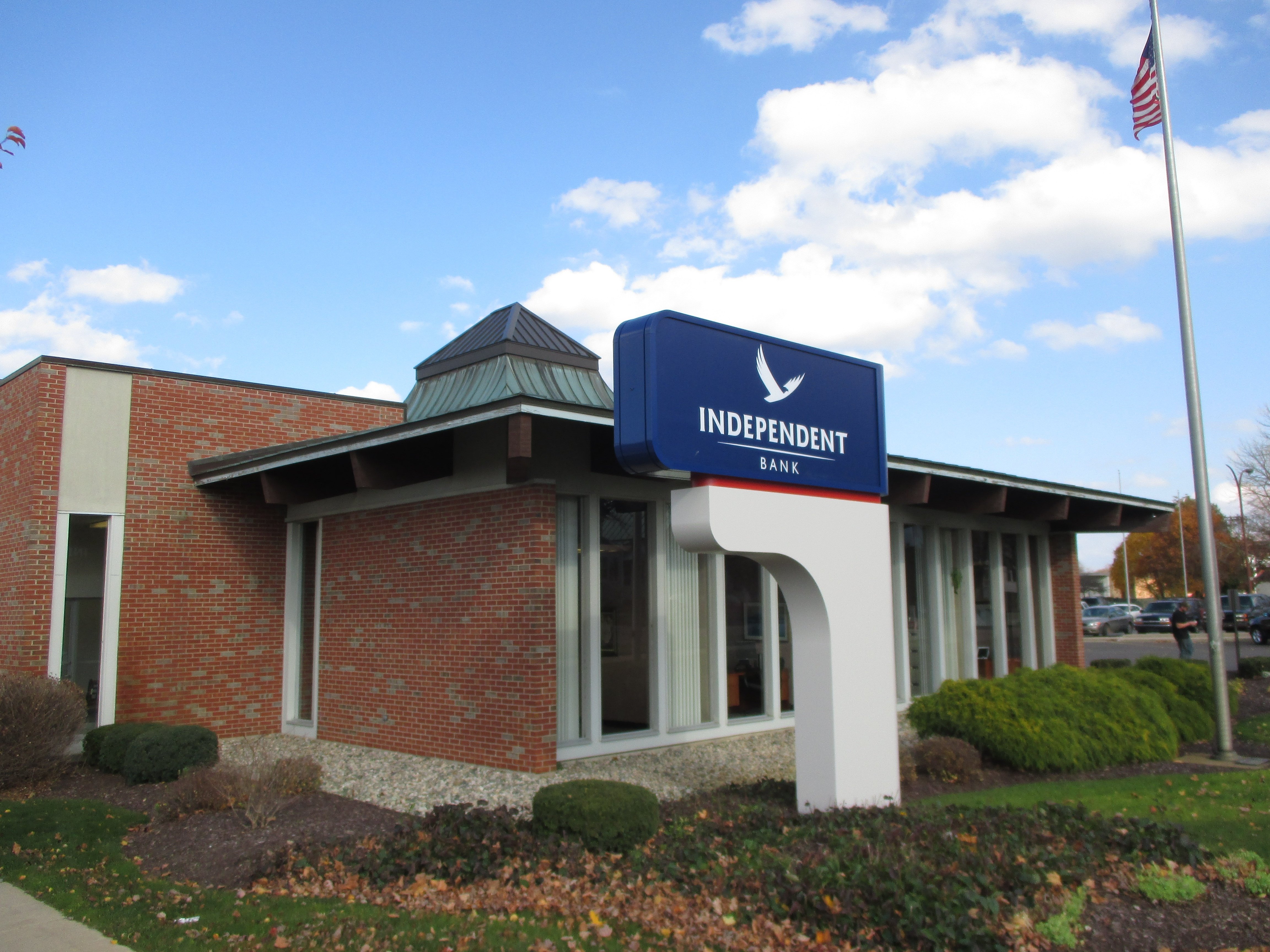
Independent Bank Locations and Hours in Charlotte, MI

Table Of Content Please select your branch from the list below for the most up-to-date information and hours. Want to calculate your mortgag...