Showing posts with label college. Show all posts

Thursday, August 6, 2020

Is College Wrestling Freestyle?

USA Wrestling Junior Women National Championships Photos The Guillotine
USA Wrestling Junior Women National Championships Photos The Guillotine from theguillotine.com

Are you curious about whether college wrestling is freestyle or not? If you're a wrestling enthusiast or considering joining a college wrestling team, this article will provide you with all the information you need.

The Pain Points of College Wrestling

When it comes to college wrestling, many individuals have misconceptions and questions. Understanding the rules, techniques, and styles can be confusing for beginners. Additionally, the pressure of competition and the physical demands of the sport can be overwhelming for some.

Answering the Question

College wrestling is not freestyle. It is a form of amateur wrestling that follows specific rules and regulations. In college wrestling, the style used is known as folkstyle, which is different from freestyle wrestling.

Summary

In summary, college wrestling is not freestyle. It is a form of amateur wrestling called folkstyle. This article will provide you with information about the target of college wrestling, a personal experience, the history and myths surrounding college wrestling, hidden secrets, recommendations, detailed explanations, tips, fun facts, what-if scenarios, listicles, and a question and answer section.

Understanding College Wrestling

College wrestling is a competitive sport that is practiced and performed by athletes at the collegiate level. It is a popular sport in the United States and offers individuals the opportunity to showcase their skills and compete against other schools.

As mentioned earlier, college wrestling follows the folkstyle wrestling style. Folkstyle wrestling, also known as collegiate wrestling, is a variant of wrestling that is widely practiced in the United States. It emphasizes control, positioning, and leverage to gain an advantage over opponents.

In folkstyle wrestling, matches are divided into three periods, each lasting two minutes. The objective is to score points by executing various wrestling moves such as takedowns, escapes, reversals, and near falls. The wrestler with the most points at the end of the match is declared the winner.

College Wrestling

The History and Myth of College Wrestling

College wrestling has a rich history that dates back to the 19th century. It originated from various European folk wrestling styles and evolved into a distinct form of wrestling in the United States.

One of the common myths surrounding college wrestling is that it is a violent and dangerous sport. While wrestling can be physically demanding, proper training, technique, and safety measures are in place to minimize the risk of injury. College wrestlers undergo rigorous training programs to develop their skills and techniques while ensuring their safety.

College Wrestling History

The Hidden Secret of College Wrestling

A hidden secret of college wrestling is the mental and emotional resilience it develops in athletes. Wrestling requires discipline, focus, determination, and the ability to overcome challenges. It teaches individuals valuable life skills such as perseverance, resilience, and the importance of hard work.

Through the demanding nature of the sport, college wrestlers learn to push their limits, face adversity, and develop a strong work ethic. These qualities can benefit them both in their wrestling career and in their personal and professional lives.

College Wrestling Secret

Recommendations for College Wrestling

If you're interested in college wrestling, here are a few recommendations to consider:

  1. Start training early and develop a strong foundation of wrestling skills.
  2. Find a reputable coach or training program to guide your progress.
  3. Stay dedicated and committed to your training regimen.
  4. Participate in tournaments and competitions to gain experience and exposure.
  5. Take care of your body through proper nutrition, rest, and injury prevention techniques.

College Wrestling Recommendation

Exploring College Wrestling in Detail

Now, let's delve deeper into the topic of college wrestling. College wrestling has specific rules regarding weight classes, scoring, and illegal moves. It also has its own set of strategies and techniques that wrestlers utilize to gain an advantage over their opponents.

College Wrestling Detail

Tips for College Wrestling

If you're considering participating in college wrestling, here are a few tips to help you succeed:

  1. Train regularly and consistently to improve your skills and conditioning.
  2. Focus on developing your technique and mastering the fundamentals of wrestling.
  3. Study and analyze your opponents to identify their strengths and weaknesses.
  4. Maintain a healthy lifestyle and prioritize your physical and mental well-being.
  5. Seek guidance from experienced coaches and wrestlers to enhance your performance.

College Wrestling Tips

Common Questions About College Wrestling

Q: Is college wrestling the same as Olympic wrestling?

A: No, college wrestling (folkstyle) and Olympic wrestling (freestyle and Greco-Roman) are different styles of wrestling with distinct rules and techniques.

Q: Can women participate in college wrestling?

A: Yes, many colleges and universities offer women's wrestling programs and competitions.

Q: Are there weight classes in college wrestling?

A: Yes, college wrestling has weight classes to ensure fair competition based on the wrestlers' weights.

Q: Can college wrestlers go on to compete at the Olympic level?

A: Yes, college wrestling can serve as a stepping stone for athletes to qualify and compete in Olympic wrestling.

Conclusion of College Wrestling

In conclusion, college wrestling is not freestyle but follows the folkstyle wrestling style. It has its own set of rules, techniques, and strategies. College wrestling offers individuals the opportunity to compete at a high level and develop valuable life skills. Whether you're a wrestling enthusiast or interested in pursuing a college wrestling career, understanding the nuances of this sport is essential.

Saturday, August 1, 2020

Awasome When Are College Transfer Applications Due Ideas

College Transfer Admissions 11 Explore top designs created by the
College Transfer Admissions 11 Explore top designs created by the from greendesignerreview.blogspot.com

If you're planning to transfer colleges, one of the most important things to know is when are college transfer applications due. Missing the deadline can mean delaying your education and potentially missing out on scholarship opportunities. So, let's dive into the details and find out when you need to submit your transfer applications.

When it comes to college transfer applications, timing is everything. You don't want to wait until the last minute to start the application process, as it can be time-consuming and stressful. Plus, many colleges have limited spots for transfer students, so getting your application in early can improve your chances of acceptance.

The deadline for college transfer applications varies from school to school, but most colleges have specific deadlines for each semester. Generally, the deadline for fall transfer applications is around March or April, while the deadline for spring transfer applications is around October or November. It's important to check the website of the college you're interested in transferring to for their specific deadline.

In summary, when are college transfer applications due depends on the college and the semester you're applying for. It's crucial to check the deadline for each school you're considering and start the application process well in advance to ensure you have enough time to complete all the required materials.

When Are College Transfer Applications Due: Tips for Success

When it comes to submitting your college transfer applications on time, here are a few tips to help you stay organized and meet the deadlines:

1. Research the deadlines: Visit the websites of the colleges you're interested in transferring to and note down the application deadlines for each semester.

2. Create a timeline: Break down the application process into smaller tasks and create a timeline to ensure you stay on track. Assign specific dates for completing each task, such as gathering recommendation letters or writing your personal statement.

3. Start early: Begin working on your applications as soon as possible to avoid last-minute stress. Give yourself ample time to gather all the necessary documents and to edit your essays.

4. Seek guidance: Don't hesitate to reach out to your college's transfer advisor or a guidance counselor for assistance. They can provide valuable insights and help you navigate the application process.

Remember, submitting your college transfer applications on time is crucial for a smooth transition to your new school. By staying organized and starting early, you can increase your chances of success and open doors to new opportunities.

When Are College Transfer Applications Due: Exploring the Topic Further

When it comes to college transfer applications, the deadlines can be a make-or-break factor for your academic journey. Understanding when these applications are due is essential for a seamless transfer process. Let's dig deeper into this topic:

1. Importance of Deadlines: College transfer application deadlines are set by colleges to ensure an organized admission process and to give them enough time to review applications thoroughly. Missing the deadline can result in your application being rejected or delayed to the next semester.

2. Factors Affecting Deadlines: The deadlines for college transfer applications can be influenced by various factors, including the number of available spots for transfers, the volume of applications received, and the specific requirements of the college and program you're applying to.

3. Early Decision vs. Regular Decision: Some colleges offer an early decision option for transfer applicants, which has an earlier deadline and provides a binding commitment to attend if accepted. Regular decision deadlines are typically later and provide more flexibility.

4. Rolling Admissions: Some colleges have rolling admissions for transfer students, meaning they review applications as they are received and make decisions on a rolling basis. In this case, it's best to apply as early as possible to increase your chances of acceptance.

Understanding when college transfer applications are due is crucial for a successful transfer process. By staying informed, planning ahead, and meeting the deadlines, you can set yourself up for a smooth transition to your new college.

When Are College Transfer Applications Due: Fun Facts

1. Did you know that some colleges have different deadlines for different majors? If you're transferring as a specific major, make sure to check if there are any additional deadlines or requirements.

2. The application deadlines for highly competitive colleges may be earlier than other schools. These colleges often receive a large number of transfer applications and have limited spots available.

3. Some colleges have transfer agreements with community colleges, allowing for a seamless transfer process and guaranteed admission if certain requirements are met. These agreements may have specific application deadlines.

4. The application deadlines for international transfer students may differ from domestic transfer students. International students often have additional requirements and deadlines related to visas and immigration.

When it comes to college transfer applications, being aware of the deadlines and planning ahead is key. By staying organized, meeting the deadlines, and submitting a strong application, you can increase your chances of a successful transfer and continue your academic journey at a new college.

Question and Answer: When Are College Transfer Applications Due

Q: Can I still apply for transfer if I miss the deadline?

A: While it's best to submit your application by the deadline, some colleges may accept late applications on a case-by-case basis. Reach out to the admissions office to inquire about their policy for late applications.

Q: Can I apply to multiple colleges for transfer?

A: Yes, you can apply to multiple colleges for transfer. However, keep in mind that each college may have its own application deadline and requirements, so make sure to manage your time effectively.

Q: What happens if I submit my transfer application after the deadline?

A: If you submit your transfer application after the deadline, it may not be considered for the current semester. It's important to reach out to the admissions office to inquire about your options and potential next steps.

Q: Can I transfer in the middle of the academic year?

A: Some colleges offer spring transfer options, allowing students to transfer in the middle of the academic year. The deadlines for spring transfer applications are typically earlier than fall transfer applications.

Conclusion of When Are College Transfer Applications Due

When it comes to college transfer applications, knowing when the deadlines are is crucial for a successful transfer process. By staying informed, planning ahead, and meeting the deadlines, you can increase your chances of a smooth transition to your new college. Remember to research the deadlines for each college, start early, and seek guidance if needed. Don't let the deadline slip away - submit your transfer applications on time and open doors to new opportunities.

Thursday, July 30, 2020

Review Of Should College Be Free Cons Ideas

Should College Be Free? Pros and Cons (According to Experts)
Should College Be Free? Pros and Cons (According to Experts) from upjourney.com

Are you considering whether college should be free? While there are many arguments in favor of free college education, it's important to also consider the potential drawbacks. In this article, we will explore the cons of free college and discuss why it may not be the perfect solution for everyone.

One of the main concerns with free college education is the potential strain on government budgets. Providing free education to all students can be incredibly costly, and it may require higher taxes or cuts to other areas of government spending. This could lead to a decrease in resources for other important sectors, such as healthcare or infrastructure.

While free college may seem like a great idea in theory, it could also lead to a decrease in the value of a college degree. If everyone has access to a free education, the job market could become oversaturated with college graduates. This could result in increased competition for jobs and potentially lower wages for those with a college degree.

In summary, the cons of free college education include potential strain on government budgets and a decrease in the value of a college degree. While the idea of free education for all is appealing, it's important to consider the potential drawbacks before implementing such a system.

The Potential Strain on Government Budgets

One of the main concerns with free college education is the potential strain it could place on government budgets. Providing free education to all students would require a significant amount of funding, which would need to come from somewhere. This could result in higher taxes for individuals or businesses, or cuts to other areas of government spending.

While education is undoubtedly important, it's crucial to balance the need for free college with other pressing issues. For example, funding for healthcare, infrastructure, or social programs could be negatively impacted if a significant portion of the budget is allocated to free education. It's important to consider the potential consequences and trade-offs before implementing such a system.

The Decrease in the Value of a College Degree

Another potential drawback of free college education is the decrease in the value of a college degree. Currently, obtaining a college degree is seen as a significant achievement and often leads to higher-paying job opportunities. However, if everyone has access to a free college education, the job market could become oversaturated with college graduates.

This oversaturation could result in increased competition for jobs and potentially lower wages for those with a college degree. Employers may no longer value a college degree as highly, as it is no longer a distinguishing factor. This could lead to a decrease in the overall value of a college education and the potential for graduates to struggle to find well-paying jobs.

In conclusion, while free college education may seem like an ideal solution, it's important to consider the potential drawbacks. The strain on government budgets and the decrease in the value of a college degree are just two of the cons to consider. It's crucial to carefully weigh the pros and cons before making any decisions regarding free college education.

Question and Answer

Q: Will free college education lead to an increase in enrollment rates?

A: It is likely that free college education would lead to an increase in enrollment rates, as it removes one of the main barriers to higher education - cost. However, it's important to consider whether colleges and universities would be able to handle the increased demand and if there would be enough resources to support all students.

Q: How would free college education impact private colleges and universities?

A: Free college education could potentially have a negative impact on private colleges and universities. With the availability of free education, fewer students may choose to attend private institutions, resulting in a decrease in enrollment and potentially financial struggles for these institutions.

Q: What are some potential alternatives to free college education?

A: Instead of providing free college education for all, some alternatives could include increasing financial aid options, implementing income-based tuition scales, or offering loan forgiveness programs for graduates who work in certain fields or regions.

Q: How would free college education impact the quality of education?

A: There is potential for free college education to impact the quality of education. With increased enrollment rates and potentially limited resources, colleges and universities may struggle to maintain the same level of quality in their programs. It would be important to ensure that adequate resources and support are in place to maintain a high standard of education.

Conclusion of Should College Be Free Cons

While the idea of free college education is appealing, it's important to consider the potential drawbacks. The strain on government budgets and the decrease in the value of a college degree are two significant cons to consider. It's crucial to carefully weigh the pros and cons and consider alternative solutions before implementing any changes to the current system.

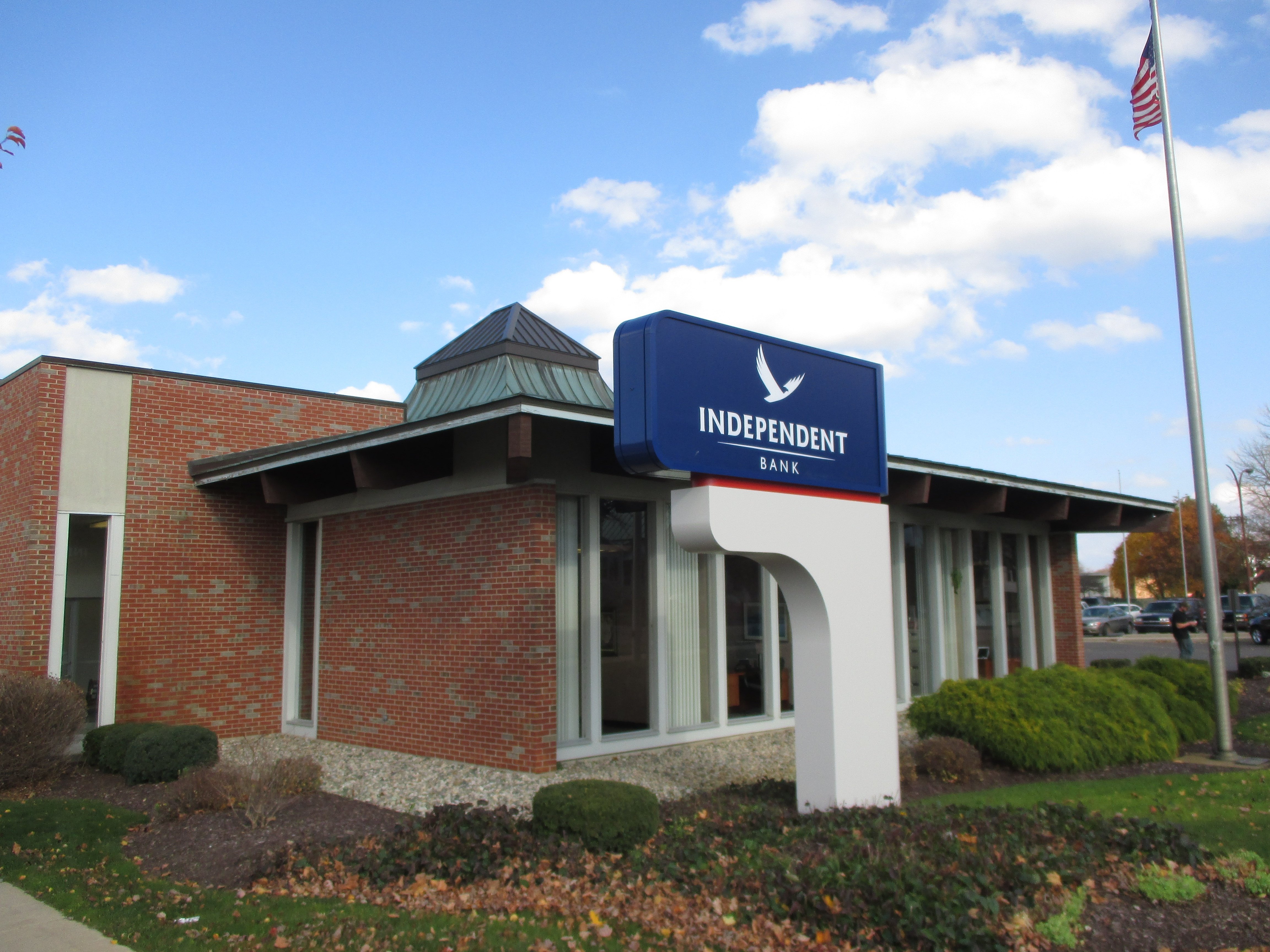
Independent Bank Locations and Hours in Charlotte, MI

Table Of Content Please select your branch from the list below for the most up-to-date information and hours. Want to calculate your mortgag...