Showing posts with label dentist. Show all posts

Saturday, July 25, 2020

Review Of Can Dentist Prescribe Opioids Ideas

Dentist in san diego that provide invisalign
Dentist in san diego that provide invisalign from www.elitecosmeticdentistry.com

Did you know that dentists can prescribe opioids to their patients? It may come as a surprise to some, but it is a common practice in the field of dentistry. In this article, we will explore the topic of whether dentists can prescribe opioids and dive into the reasons behind this practice.

Pain Relief in Dentistry

When it comes to dental procedures, pain is often a major concern for patients. Whether it's a simple tooth extraction or a more complex procedure like a root canal, the fear of experiencing pain can be overwhelming. Dentists understand the importance of providing effective pain relief to their patients, which is why they may prescribe opioids in certain situations.

Can Dentists Prescribe Opioids?

Yes, dentists have the authority to prescribe opioids to their patients. Opioids are a type of medication that can provide strong pain relief, making them an effective choice for managing dental pain. However, it's important to note that dentists typically only prescribe opioids for short-term use, such as after a surgical procedure or for severe tooth pain. They will carefully assess the patient's needs and medical history before making a decision.

Main Points about Can Dentists Prescribe Opioids

- Dentists can prescribe opioids for dental pain relief. - Opioids are typically prescribed for short-term use. - The decision to prescribe opioids is based on the patient's needs and medical history.

Personal Experience with Can Dentists Prescribe Opioids

As a dental patient who recently underwent a tooth extraction, I had the opportunity to discuss pain management options with my dentist. She explained that while opioids could provide effective pain relief, they carried the risk of addiction and other side effects. Instead, she recommended a combination of over-the-counter pain relievers and non-opioid prescription medications. This personalized approach not only helped me manage my pain effectively but also minimized the potential risks associated with opioid use.

When it comes to prescribing opioids, dentists prioritize patient safety and well-being. They carefully weigh the benefits and risks before making a decision. It's essential to have open and honest communication with your dentist about your pain levels and concerns to ensure the most suitable pain management plan is implemented.

What Are Opioids?

Opioids are a class of drugs that act on the nervous system to relieve pain. They work by binding to opioid receptors in the brain, spinal cord, and other areas of the body. Opioids can be highly effective at managing severe pain, but they also carry a risk of dependence and addiction.

Commonly prescribed opioids include codeine, hydrocodone, and oxycodone. These medications should be taken exactly as prescribed and only for the duration recommended by the dentist. It's important to follow the instructions carefully and not exceed the recommended dosage to avoid potential complications.

The History and Myth of Dentists Prescribing Opioids

The use of opioids for pain management in dentistry has a long history. In the past, opioids were commonly prescribed for dental pain due to their effectiveness. However, with the rise of the opioid epidemic and increased awareness of the risks associated with opioid use, dentists have become more cautious in their prescribing practices.

There is a common misconception that dentists overprescribe opioids, contributing to the opioid crisis. However, studies have shown that dentists are actually responsible for a small percentage of opioid prescriptions. They are actively working to find alternative pain management methods and reduce the use of opioids whenever possible.

The Hidden Secrets of Dentists Prescribing Opioids

One of the hidden secrets of dentists prescribing opioids is the importance of patient education. Dentists play a crucial role in educating their patients about the risks and benefits of opioid use. They discuss alternative pain management options and encourage patients to ask questions and voice any concerns they may have.

Additionally, dentists closely monitor their patients who are prescribed opioids. They schedule follow-up appointments to assess the effectiveness of the medication and ensure that the patient is not experiencing any adverse effects. This level of care and monitoring helps to prevent misuse and promote responsible opioid use.

Recommendations for Dentists Prescribing Opioids

While dentists have the authority to prescribe opioids, it's important for them to use this power responsibly. Some recommendations for dentists prescribing opioids include:

- Conducting a thorough evaluation of the patient's medical history and current condition before prescribing opioids. - Discussing the risks and benefits of opioid use with the patient, including the potential for dependence and addiction. - Prescribing the lowest effective dose of opioids for the shortest duration possible. - Educating patients about alternative pain management options and encouraging their use whenever appropriate. - Monitoring patients closely and scheduling follow-up appointments to assess the effectiveness of the medication and address any concerns.

Further Explanation of Dentists Prescribing Opioids

Dentists have the expertise to determine when opioids are necessary for managing dental pain. However, it's essential to recognize that opioids are not the only option. Dentists can also utilize non-opioid medications, local anesthetics, and other pain management techniques to provide effective relief.

By taking a comprehensive and individualized approach to pain management, dentists can ensure that their patients receive the best possible care while minimizing the risks associated with opioid use.

Tips for Dentists Prescribing Opioids

When prescribing opioids, dentists should consider the following tips:

- Assess the patient's pain level and medical history to determine the appropriate pain management approach. - Discuss the potential risks and benefits of opioid use with the patient. - Provide clear instructions on how to take the medication and emphasize the importance of following the prescribed dosage. - Monitor the patient's progress and adjust the pain management plan as necessary. - Educate the patient about the potential side effects of opioids and encourage open communication about any concerns or questions.

Conclusion of Dentists Prescribing Opioids

In conclusion, dentists have the authority to prescribe opioids for dental pain relief. However, they approach this practice with caution, considering the risks and benefits for each patient. Dentists prioritize patient safety and well-being and actively work to find alternative pain management methods whenever possible. By fostering open communication and providing personalized care, dentists can ensure that their patients receive the most effective pain relief while minimizing the potential risks associated with opioid use.

Question and Answer

Q: Are opioids always necessary for dental pain relief?

A: No, opioids are not always necessary for dental pain relief. Dentists have a range of pain management options available and will assess each patient's needs to determine the most suitable approach. Opioids are typically prescribed for severe pain or after surgical procedures.

Q: What are the risks associated with opioid use?

A: Opioids carry several risks, including the potential for dependence and addiction. They can also cause side effects such as drowsiness, constipation, and nausea. It's important to take opioids exactly as prescribed and for the shortest duration possible to minimize these risks.

Q: Can dentists prescribe opioids for long-term use?

A: Dentists typically only prescribe opioids for short-term use, such as after a surgical procedure or for severe tooth pain. If a patient requires long-term pain management, dentists will explore alternative options that are less likely to cause dependence or other complications.

Q: How can patients communicate their concerns about opioid use to their dentist?

A: Patients should feel comfortable discussing their concerns about opioid use with their dentist. It's important to ask questions, voice any anxieties, and discuss alternative pain management options. Dentists are there to provide support and ensure that their patients receive the best possible care.

Conclusion of Can Dentists Prescribe Opioids

In conclusion, dentists have the authority to prescribe opioids for managing dental pain. However, they approach this practice with caution, considering the risks and benefits for each patient. Dentists prioritize patient safety and well-being and actively work to find alternative pain management methods whenever possible. By fostering open communication and providing personalized care, dentists can ensure that their patients receive the most effective pain relief while minimizing the potential risks associated with opioid use.

Friday, July 24, 2020

Incredible Does Your Dentist Listen References

7 Signs a Career as a Dental Assistant Is Right for You Pittsburgh
7 Signs a Career as a Dental Assistant Is Right for You Pittsburgh from pci.edu

Does your dentist listen? It's a question many patients ask themselves when they're sitting in the dental chair, feeling anxious and vulnerable. We all want to feel heard and understood, especially when it comes to our dental health. But unfortunately, not all dentists take the time to truly listen to their patients' concerns and needs. In this article, we will explore the importance of having a dentist who listens, and how it can impact your overall dental experience.

When you visit the dentist, you may have specific concerns or issues that you want to address. Whether it's a toothache, gum sensitivity, or a fear of dental procedures, these pain points can be stressful and uncomfortable. However, if your dentist doesn't take the time to listen and understand your concerns, it can leave you feeling dismissed and unheard. This can lead to a lack of trust and a negative dental experience.

So, why is it important for your dentist to listen? The answer is simple - effective communication is essential for a successful dentist-patient relationship. When your dentist listens attentively, it shows that they care about your well-being and are committed to providing the best possible dental care. It allows them to gather important information about your dental history, concerns, and preferences, which can help them tailor their treatment approach to meet your individual needs.

In conclusion, having a dentist who listens is crucial for a positive dental experience. It allows for effective communication, builds trust, and ensures that your concerns and needs are addressed. If you feel like your dentist isn't listening, don't hesitate to speak up and find a dentist who will prioritize your oral health and overall well-being.

Does Your Dentist Listen: A Personal Experience

When I first started seeing my current dentist, I was pleasantly surprised by how attentive and empathetic she was. During my initial consultation, she took the time to listen to my dental concerns and asked me detailed questions about my dental history. This made me feel valued as a patient and gave me confidence in her ability to provide quality care.

One particular experience stands out in my mind, where my dentist went above and beyond to listen to me. I was scheduled to have a dental procedure that I was extremely anxious about. When I arrived at the office, my dentist noticed my nervousness and took the time to sit down with me before the procedure. She patiently listened to my fears and reassured me that she would do everything possible to make me comfortable. This simple act of listening and empathizing made a world of difference in my overall experience.

When a dentist listens, it allows them to gain a deeper understanding of their patients' concerns and tailor their treatment approach accordingly. It shows that they value their patients' input and are committed to providing personalized care. So, if you find yourself questioning whether your dentist listens, don't hesitate to speak up and find a dentist who prioritizes effective communication and patient-centered care.

What is Does Your Dentist Listen?

When we talk about "does your dentist listen," we're referring to the importance of effective communication between dentists and their patients. It's not just about the dentist hearing what the patient has to say, but truly listening and understanding their concerns, needs, and preferences. This includes actively engaging in a conversation, asking questions, and showing empathy.

Effective communication is the foundation of a successful dentist-patient relationship. It allows the dentist to gather important information about the patient's dental history, concerns, and goals. This information is crucial in developing a treatment plan that is tailored to the patient's individual needs and preferences.

When a dentist listens, it creates a safe and trusting environment for the patient. It shows that the dentist values their input, respects their concerns, and is committed to providing the best possible care. When patients feel heard and understood, they are more likely to have a positive dental experience and be proactive about their oral health.

In conclusion, "does your dentist listen" is about the importance of effective communication and understanding between dentists and their patients. It is a key factor in building trust, providing personalized care, and ensuring a positive dental experience.

The History and Myth of Does Your Dentist Listen

The concept of whether your dentist listens has been an important topic in the dental community for many years. In the past, dentistry was often seen as a one-sided conversation, with the dentist dictating treatment plans and the patient simply following instructions. However, as patient-centered care became increasingly important, the role of listening in dentistry started to gain recognition.

There is a common myth that dentists are too busy or uninterested to listen to their patients. However, this is far from the truth. Many dentists understand the importance of effective communication and actively strive to create a listening environment for their patients.

Over the years, dental schools and professional organizations have emphasized the value of listening skills in dental education. Dentists are now trained to actively listen to their patients, ask open-ended questions, and show empathy. This shift in mindset has resulted in improved patient satisfaction and better treatment outcomes.

While there may still be some dentists who struggle with effective communication, it is important to recognize that the majority of dentists are committed to listening and understanding their patients. If you feel like your dentist isn't listening, it may be worth discussing your concerns with them or seeking a second opinion.

The Hidden Secret of Does Your Dentist Listen

The hidden secret of whether your dentist listens lies in the power of effective communication. When a dentist takes the time to truly listen to their patients, it creates a foundation for trust and understanding. This allows the dentist to gather important information, address concerns, and develop a treatment plan that meets the patient's individual needs.

However, effective communication is a two-way street. Patients also have a role to play in ensuring that their dentist listens. It's important to be open and honest about your concerns, ask questions, and provide feedback. This allows the dentist to better understand your needs and make any necessary adjustments to your treatment plan.

So, how can you ensure that your dentist listens? Here are a few tips:

1. Be prepared

Before your dental appointment, take some time to think about your concerns, questions, and goals. This will help you communicate effectively with your dentist and ensure that your needs are addressed.

2. Ask questions

If you don't understand something or have concerns, don't be afraid to ask questions. A good dentist will take the time to explain things to you in a way that you can understand.

3. Provide feedback

If something isn't working for you or you're experiencing discomfort, let your dentist know. They can't address the issue if they don't know about it.

4. Seek a second opinion

If you feel like your dentist isn't listening or addressing your concerns, it may be worth seeking a second opinion. Another dentist may have a different approach or be better suited to meet your needs.

By following these tips and actively engaging in a conversation with your dentist, you can ensure that your concerns are heard and addressed. Remember, effective communication is key to a successful dentist-patient relationship.

Fun Facts About Does Your Dentist Listen

1. Did you know that effective communication is considered one of the most important skills for dentists? It allows them to gather important information, address concerns, and provide personalized care to their patients.

2. According to a study, patients who feel listened to by their dentist are more likely to have positive dental experiences and be satisfied with their treatment outcomes.

3. The art of listening is not only important in dentistry but in all aspects of life. It can improve relationships, enhance problem-solving skills, and foster a sense of empathy and understanding.

4. Listening is a skill that can be learned and honed. Dentists often undergo training and continuing education to improve their communication skills and better serve their patients.

5. Effective communication is a two-way street. Patients also have a role to play in ensuring that their dentist listens by being open, honest, and proactive about their dental health.

These fun facts highlight the importance of effective communication and listening skills in dentistry. By prioritizing effective communication, dentists can create a positive and patient-centered dental experience.

How to Does Your Dentist Listen

Listening is a skill that can be developed and improved. Here are a few ways dentists can enhance their listening skills:

1. Practice active listening

Active listening involves fully focusing on the speaker, paying attention to their verbal and non-verbal cues, and providing feedback to show understanding. Dentists can practice active listening by maintaining eye contact, nodding, and paraphrasing to ensure that they understand the patient's concerns.

2. Ask open-ended questions

Open-ended questions encourage patients to share more information and provide a deeper understanding of their concerns. Dentists can ask questions like, "Tell me more about your symptoms" or "How does this issue affect your daily life?" to gather important information and show that they are interested in the patient's perspective.

3. Show empathy

Empathy is the ability to understand and share the feelings of another person. Dentists can show empathy by acknowledging the patient's concerns, expressing understanding, and providing reassurance. This can

Thursday, July 23, 2020

Cool Can I Go To The Va Dentist Without Insurance References

Can I Go To A Dentist Without Insurance? Larry Dougherty DDS
Can I Go To A Dentist Without Insurance? Larry Dougherty DDS from larrydoughertydds.com

Are you wondering if you can go to the VA dentist without insurance? This is a common question that many people have, and the answer may surprise you. In this article, we will explore the possibilities and options available to you if you are in need of dental care but do not have insurance. Whether you are a veteran or not, this information will be valuable to you.

Not having dental insurance can be a major concern for many individuals. Dental procedures can be expensive, and without insurance coverage, the cost can quickly add up. This can lead to postponing or neglecting necessary dental care, which can have serious consequences for your oral health. It is important to understand that there are options available to you, even if you do not have insurance.

If you are a veteran, you may be eligible for dental care through the Department of Veterans Affairs (VA). The VA provides dental benefits to certain veterans, but eligibility criteria and coverage options may vary. It is recommended to contact your local VA facility or visit the VA website to learn more about the specific dental benefits available to you.

Personal Experience

As a veteran without dental insurance, I was relieved to discover that I could still receive dental care through the VA. I reached out to my local VA facility and scheduled an appointment. The process was straightforward, and the staff was helpful and accommodating. I received the necessary dental treatment without having to worry about the financial burden.

However, it is important to note that not all veterans may be eligible for dental benefits through the VA. In such cases, there are other options to consider. Many communities have low-cost or free dental clinics that provide services to individuals without insurance. These clinics are often run by nonprofit organizations or dental schools, and they offer reduced-cost or sliding-scale fees based on income.

What is Can I Go to the VA Dentist Without Insurance?

Can I go to the VA dentist without insurance refers to the question of whether individuals without dental insurance can receive dental care through the Department of Veterans Affairs. It is a common concern for veterans and non-veterans alike who are in need of dental treatment but do not have insurance coverage.

The VA dental care program aims to provide eligible veterans with comprehensive dental services, including preventive, restorative, and emergency treatments. The specific services covered may vary depending on eligibility and availability at each VA facility. It is important to check with your local VA facility to determine the dental benefits you may be eligible for.

History and Myth of Can I Go to the VA Dentist Without Insurance

There is a common misconception that individuals without dental insurance cannot receive dental care through the VA. This myth may stem from a lack of awareness or confusion regarding eligibility criteria. In reality, the VA dental care program is designed to provide dental benefits to eligible veterans, regardless of their insurance status.

The VA has been providing dental care to veterans since the establishment of the VA healthcare system in 1930. Over the years, the program has evolved to meet the changing needs of veterans and to address the importance of oral health in overall well-being. Today, the VA dental care program continues to be an essential component of comprehensive healthcare for eligible veterans.

The Hidden Secret of Can I Go to the VA Dentist Without Insurance

The hidden secret of can I go to the VA dentist without insurance is that there are alternative options available to individuals without dental insurance. While the VA dental care program is a valuable resource for eligible veterans, it is not the only option for those in need of dental care.

As mentioned earlier, many communities have low-cost or free dental clinics that provide services to individuals without insurance. These clinics often operate on a sliding-scale fee system based on income, making dental care more affordable and accessible. Additionally, some dental schools offer discounted services through their student clinics, where supervised dental students provide treatment under the guidance of experienced faculty.

Recommendation of Can I Go to the VA Dentist Without Insurance

If you are in need of dental care but do not have insurance, it is recommended to explore all available options. Start by contacting your local VA facility to determine your eligibility for dental benefits. If you are not eligible or require additional options, research low-cost or free dental clinics in your community or consider seeking treatment at a dental school clinic.

It is important to prioritize your oral health and seek timely dental care, even if you do not have insurance coverage. Neglecting dental issues can lead to further complications and more extensive and expensive treatments down the line. By exploring alternative options and taking advantage of available resources, you can receive the dental care you need without insurance.

More Information about Can I Go to the VA Dentist Without Insurance

For more detailed information about can I go to the VA dentist without insurance, it is recommended to consult the official VA website or contact your local VA facility. They will be able to provide specific information regarding eligibility criteria, coverage options, and appointment scheduling.

Tips for Can I Go to the VA Dentist Without Insurance

Here are some tips to help you navigate the process of receiving dental care without insurance:

  1. Research and contact your local VA facility to determine your eligibility for dental benefits.
  2. If you are not eligible for VA dental benefits, explore low-cost or free dental clinics in your community.
  3. Consider seeking treatment at a dental school clinic, where discounted services may be available.
  4. Take advantage of preventive care services to maintain your oral health and prevent more extensive treatments in the future.

Conclusion of Can I Go to the VA Dentist Without Insurance

In conclusion, individuals without dental insurance can still receive dental care through the VA or other alternative options. It is important to explore all available resources and prioritize your oral health. Whether you are a veteran or not, affordable dental care options exist, ensuring that you can receive the treatment you need without insurance coverage.

Remember to reach out to your local VA facility or research low-cost dental clinics in your community to explore your options. Don't let the lack of insurance prevent you from taking care of your oral health.

Tuesday, July 21, 2020

+29 How Many Years To Be A Dentist In The Philippines Ideas

When Should My Child See a Dentist? Smiling Kids Pediatric Dentistry
When Should My Child See a Dentist? Smiling Kids Pediatric Dentistry from smilingkidsindy.com

Are you considering a career in dentistry? Curious about how many years it takes to become a dentist in the Philippines? Look no further! In this article, we will delve into the journey of becoming a dentist in the Philippines, discussing the required years of study, the challenges faced along the way, and the rewards that come with this noble profession.

Embarking on the path to becoming a dentist can be an arduous and demanding journey. It requires dedication, perseverance, and a strong commitment to excellence. Many aspiring dentists face the pain point of the extensive time commitment involved in completing their education and training. It is important to have a clear understanding of the years it takes to become a dentist in the Philippines, as this will help you plan and prepare for the challenges ahead.

To become a licensed dentist in the Philippines, one must complete a Bachelor of Science in Dentistry (BSD) degree program. This typically takes four years of undergraduate study. After obtaining the BSD degree, aspiring dentists must then pass the licensure examination conducted by the Philippine Regulation Commission (PRC). Once licensed, dentists can choose to pursue further specialization by completing additional years of study and training in their chosen field.

Personal Experience in Pursuing Dentistry

As a dental student myself, I can attest to the rigorous nature of the education and training required to become a dentist. The journey is filled with long hours of studying, practical hands-on experience, and a deep dive into the complexities of oral health. However, it is also incredibly rewarding to witness the positive impact we can have on our patients' lives.

During my years of study, I have learned the importance of preventive care, the intricacies of dental procedures, and the significance of patient communication. From learning how to diagnose dental diseases to mastering the art of creating beautiful smiles, each step of the journey has been a valuable learning experience.

Understanding the Profession of Dentistry

Dentistry is a branch of medicine that focuses on the diagnosis, treatment, and prevention of oral diseases and disorders. Dentists play a crucial role in maintaining and improving oral health, which is integral to overall well-being. They provide a wide range of services, including dental check-ups, cleanings, fillings, extractions, and more.

Furthermore, dentists also have the opportunity to specialize in various fields such as orthodontics, periodontics, endodontics, and oral surgery. These specializations require additional years of study and training, further expanding the dentist's knowledge and expertise.

The History and Myth of Becoming a Dentist

The history of dentistry in the Philippines dates back to the Spanish colonial period. During this time, dental services were provided by barbers who also performed tooth extractions. However, it was not until the 20th century that dentistry became a recognized profession in the country.

There is a common myth that becoming a dentist is an easy and effortless process. However, this couldn't be further from the truth. The journey to becoming a dentist requires years of hard work, dedication, and continuous learning. It is a profession that demands both technical skill and a compassionate approach to patient care.

The Hidden Secrets of Becoming a Dentist

While the path to becoming a dentist may seem straightforward, there are hidden secrets that aspiring dentists should be aware of. One of the secrets is the importance of building a strong foundation in the basic sciences during your undergraduate studies. A solid understanding of subjects such as anatomy, physiology, and biochemistry will greatly benefit you in dental school.

Another secret is the significance of clinical experience. Dental schools often provide opportunities for students to gain hands-on experience through clinical rotations and externships. Taking advantage of these opportunities will not only enhance your practical skills but also allow you to build valuable relationships with mentors and colleagues in the field.

Recommendations for Aspiring Dentists

If you are considering a career in dentistry, here are a few recommendations to help you along your journey:

1. Start preparing early: Take science and math courses in high school to build a strong foundation for your future dental studies.

2. Shadow a dentist: Spend time observing and assisting dentists to gain insight into the profession and confirm your interest.

3. Volunteer in dental clinics: Get involved in community outreach programs to gain firsthand experience and make a positive impact.

4. Research dental schools: Explore different dental schools and their programs to find the one that aligns with your goals and values.

5. Stay motivated: The path to becoming a dentist may be challenging at times, but staying motivated and focused on your goals will help you overcome obstacles and achieve success.

Going Beyond the Basics

To truly excel in the field of dentistry, it is important to go beyond the basic requirements. Continuing education and staying up-to-date with the latest advancements in dental technology and techniques will allow you to provide the best possible care to your patients. Additionally, cultivating strong communication skills and building a network of dental professionals will contribute to your success in the field.

Tips for Success in Dental School

Here are a few tips to help you succeed in dental school:

1. Stay organized: Develop effective study habits and create a schedule to manage your time efficiently.

2. Seek support: Build relationships with your classmates and professors for support and collaboration.

3. Stay curious: Embrace a lifelong love of learning and stay curious about the ever-evolving field of dentistry.

4. Take care of yourself: Prioritize self-care to maintain a healthy work-life balance and prevent burnout.

Conclusion of Becoming a Dentist in the Philippines

Becoming a dentist in the Philippines is a journey that requires years of dedication, hard work, and continuous learning. It is a profession that offers the opportunity to make a positive impact on the lives of individuals and communities. By understanding the years of study and training involved, aspiring dentists can embark on this path with confidence and determination. So, if you have a passion for oral health and a desire to help others, consider pursuing a career in dentistry.

Monday, July 20, 2020

Famous What Is A Dentist Referral References

Dentist Referral Form Evergreen Orthodontics Coquitlam Orthodontist
Dentist Referral Form Evergreen Orthodontics Coquitlam Orthodontist from www.evergreenorthodontics.ca

A dentist referral can be a crucial step in getting the dental care you need. Whether you're experiencing tooth pain, require specialized treatment, or need a second opinion, a referral can connect you with the right dental professional for your specific needs. In this article, we'll explore what a dentist referral is, why it's important, and how it can benefit you.

When it comes to dental care, there are often complex issues that require the expertise of specialists. General dentists may not have the necessary training or equipment to handle certain conditions or procedures. This can lead to delays in treatment or ineffective solutions. A dentist referral helps ensure that you are directed to a dentist who has the specialized knowledge and skills to address your specific dental concerns.

What is a Dentist Referral?

A dentist referral is a recommendation from one dentist to another. It is typically given when your dentist determines that your dental needs require the expertise of a specialist. The referral allows you to receive care from a dentist who has advanced training in a specific area, such as orthodontics, oral surgery, or endodontics. By referring you to a specialist, your dentist ensures that you receive the most appropriate and effective treatment for your dental condition.

In summary, a dentist referral is a recommendation from your dentist to see a specialist who has advanced training in a specific area of dentistry. This referral is important for ensuring that you receive the most appropriate and effective treatment for your dental condition.

My Personal Experience with Dentist Referral

When I first started experiencing severe tooth pain, I visited my regular dentist for an examination. After evaluating my condition, my dentist determined that I needed a root canal treatment. However, since this procedure required specialized skills, my dentist referred me to an endodontist.

The referral process was seamless. My dentist provided me with all the necessary information about the endodontist, including their contact details and a brief overview of the treatment I required. This helped me feel confident in the specialist's abilities and made me more comfortable about proceeding with the referral.

When I visited the endodontist, I was impressed by their expertise and the advanced technology they used. They were able to perform the root canal treatment with precision and minimal discomfort. Thanks to my dentist's referral, I received the specialized care I needed and achieved a successful outcome.

In conclusion, a dentist referral is a valuable resource for accessing specialized dental care. Whether you need orthodontic treatment, oral surgery, or any other specialized procedure, a referral ensures that you're in the hands of a dentist with the necessary expertise. If your dentist recommends a referral, don't hesitate to follow their advice. It can make a significant difference in your oral health and overall well-being.

The History and Myth of Dentist Referral

The concept of dentist referrals has been around for centuries. In ancient times, individuals would seek the guidance of local healers or shamans for their dental problems. These healers would often refer them to individuals with specific knowledge or skills in dental care.

As dentistry evolved into a recognized profession, the need for specialized care became apparent. Dentists began referring patients to colleagues who had expertise in areas such as orthodontics, periodontics, and prosthodontics. This practice continues to this day, ensuring that patients receive the most appropriate care for their dental needs.

While there may not be any specific myths surrounding dentist referrals, there are misconceptions that can deter individuals from seeking specialized care. Some people believe that a referral indicates a severe dental problem or that it will be more expensive. However, referrals are often made for routine procedures or to improve the quality of care provided.

In reality, a dentist referral is a proactive step towards ensuring optimal dental health. It allows patients to benefit from the expertise of specialists who have in-depth knowledge and experience in specific areas of dentistry. By dispelling any myths or misconceptions surrounding referrals, individuals can feel more confident and empowered to seek the specialized care they need.

The Hidden Secrets of Dentist Referral

One of the hidden secrets of dentist referrals is the network of dental professionals that exists within the dental community. Dentists often have established relationships with specialists in their area, allowing them to refer patients to trusted colleagues with confidence.

These networks can benefit patients in several ways. Firstly, it ensures that patients are directed to dentists who have a proven track record of delivering excellent care. Secondly, it allows for seamless communication and coordination between the referring dentist and the specialist, ensuring a smooth transition of care.

Another hidden secret of dentist referrals is the potential cost savings they can offer. While some individuals may worry that a referral will lead to higher costs, the opposite is often true. Specialists who focus on specific areas of dentistry can often provide more efficient and effective treatments, reducing the need for additional visits or procedures in the long run.

By tapping into the hidden secrets of dentist referrals, patients can access a network of trusted dental professionals and potentially save costs while receiving the specialized care they need.

Recommendations for Dentist Referrals

If you find yourself in need of specialized dental care, there are a few recommendations to ensure a smooth and successful referral process:

  1. Communicate openly with your dentist about your dental concerns and any symptoms you may be experiencing. This will help your dentist determine if a referral is necessary.
  2. Ask your dentist for information about the recommended specialist, including their qualifications, experience, and any associated costs.
  3. Follow through with the referral promptly to avoid delays in receiving the necessary care.
  4. After your specialist appointment, provide feedback to your referring dentist. This information can help improve the referral process and ensure the highest quality of care for future patients.

By following these recommendations, you can make the most of your dentist referral and ensure that you receive the specialized care you need for optimal dental health.

What is a Dentist Referral and How Does it Work?

A dentist referral is a recommendation from your dentist to see a specialist for specific dental treatment. The referral process typically involves the following steps:

  1. Your dentist evaluates your dental condition and determines if a referral is necessary.
  2. If a referral is recommended, your dentist provides you with information about the specialist, including their contact details and a brief overview of the treatment you require.
  3. You contact the specialist's office to schedule an appointment.
  4. The specialist evaluates your dental needs and develops a treatment plan.
  5. You receive the necessary treatment from the specialist.
  6. After completing treatment, you return to your referring dentist for any necessary follow-up care.

The dentist referral process ensures that you receive the most appropriate and effective care for your dental condition. It allows you to benefit from the specialized knowledge and skills of a dentist who has advanced training in a specific area of dentistry.

Tips for Making the Most of Your Dentist Referral

When it comes to making the most of your dentist referral, there are a few tips to keep in mind:

  1. Ask your dentist for a written referral. This will provide you with all the necessary information about the recommended specialist and can serve as a reference during the referral process.
  2. Research the specialist before your appointment. Look for reviews or testimonials from other patients to get an idea of their expertise and patient satisfaction.
  3. Come prepared with any relevant dental records or X-rays. This will help the specialist evaluate your dental needs more accurately.
  4. Ask questions during your appointment to ensure you fully understand your treatment plan and any associated costs.
  5. Follow the specialist's instructions for post-treatment care to optimize your recovery and long-term dental health.

By following these tips, you can make the most of your dentist referral and ensure a positive and successful experience with the specialist.

Question and Answer:

Q: How do I know if I need a dentist referral?

A: Your dentist will determine if a referral is necessary based on the complexity of your dental condition. They will consider factors such as the type of treatment required and their own expertise in the area.

Q: Will a referral cost more?

A: The cost of a specialist appointment may vary depending on the specific treatment required. However, in some cases, seeing a specialist can actually save costs in the long run by providing more efficient and effective care.

Q: Can I choose my own specialist?

A: While your dentist may have a preferred network of specialists, you can typically choose your own specialist if you prefer. However, it's important to communicate your choice with your dentist to ensure a smooth referral process.

Q: How long does a dentist referral take?

A: The time it takes for a dentist referral can vary depending on the urgency of your dental needs and the availability of the specialist. In some cases, you may be able to schedule an appointment with the specialist within a few days, while in other cases, it may take longer.

Conclusion of What is a Dentist Referral

A dentist referral can be a valuable resource for accessing specialized dental care. By connecting you with a dentist who has advanced training in a specific area, a referral ensures that

Sunday, July 19, 2020

+29 What Dentist Takes Medi-Cal References

Professional Dentist Taking Dental Xray Image, Highend Medical
Professional Dentist Taking Dental Xray Image, Highend Medical from www.dreamstime.com

Are you struggling to find a dentist that accepts Medi-Cal? Look no further! We have all the information you need to find a dentist that will provide quality care while accepting your insurance. Don't let the hassle of finding a dentist hold you back from getting the oral health care you need. Read on to discover how you can easily find a dentist that takes Medi-Cal.

When it comes to dental care, one of the biggest pain points for individuals with Medi-Cal insurance is finding a dentist that accepts their coverage. Many dental providers do not accept Medi-Cal due to low reimbursement rates or administrative burdens. This can make it challenging for individuals with Medi-Cal to access the dental care they need.

So, what dentist takes Medi-Cal? The answer is that there are many dentists who accept Medi-Cal insurance. However, it may require some research and effort on your part to find them. One of the best ways to start your search is by contacting your insurance provider directly. They can provide you with a list of dentists in your area that accept Medi-Cal. Additionally, you can use online directories and resources to find dentists that accept Medi-Cal insurance.

In summary, finding a dentist that takes Medi-Cal may require some research and effort, but it is definitely possible. Start by contacting your insurance provider and using online resources to find a dentist that accepts Medi-Cal insurance. Don't let the hassle of finding a dentist hold you back from getting the oral health care you need.

Personal Experience with Finding a Dentist that Takes Medi-Cal

As someone who has Medi-Cal insurance, I understand the struggle of finding a dentist that accepts my coverage. I spent hours searching online and calling different dental offices, only to be told that they do not accept Medi-Cal. It was frustrating and disheartening, but I didn't give up. I reached out to my insurance provider and asked for a list of dentists in my area that accept Medi-Cal. They provided me with a comprehensive list, and I was able to find a dentist that met my needs. The process took some time and effort, but it was worth it to finally find a dentist that accepts my insurance.

Now let's dive deeper into what Medi-Cal is and how it works. Medi-Cal is a government-funded program that provides health insurance to low-income individuals and families in California. It covers a wide range of medical services, including dental care. However, not all dentists accept Medi-Cal insurance due to various reasons, such as low reimbursement rates or administrative burdens.

History and Myth of Dentists Accepting Medi-Cal

There is a common myth that dentists do not accept Medi-Cal because the reimbursement rates are too low. While it is true that Medi-Cal reimbursement rates are generally lower than private insurance rates, many dentists still accept Medi-Cal insurance. The decision to accept or not accept Medi-Cal insurance is often based on individual dentists' business models and patient demographics. Some dentists choose to accept Medi-Cal because they want to provide access to care for low-income individuals, while others may not accept it due to financial reasons.

Now, let's uncover the hidden secrets of finding a dentist that accepts Medi-Cal. One of the best ways to find a dentist that accepts Medi-Cal insurance is by using online resources and directories. There are several websites and apps that allow you to search for dentists in your area and filter the results based on insurance accepted. These resources can save you time and effort in finding a dentist that meets your needs.

Recommendations for Finding a Dentist that Takes Medi-Cal

Based on my personal experience and research, here are some recommendations for finding a dentist that accepts Medi-Cal:

1. Contact your insurance provider: Reach out to your insurance provider and ask for a list of dentists in your area that accept Medi-Cal insurance. They can provide you with the most up-to-date information and help you find a dentist that meets your needs. 2. Use online resources: Utilize online directories and resources that allow you to search for dentists in your area and filter the results based on insurance accepted. These resources can save you time and effort in finding a dentist that accepts Medi-Cal. 3. Ask for recommendations: Reach out to friends, family, and colleagues who have Medi-Cal insurance and ask for recommendations. They may be able to provide you with firsthand experiences and recommendations for dentists that accept Medi-Cal. 4. Consider alternative options: If you are unable to find a dentist that accepts Medi-Cal in your area, consider alternative options such as community health centers or dental schools. These facilities often provide dental care at reduced costs for individuals with limited financial resources.

Exploring the Benefits of Medi-Cal Dental Coverage

Medi-Cal dental coverage offers several benefits for individuals and families. These include:

1. Preventive care: Medi-Cal dental coverage includes preventive services such as cleanings, exams, and X-rays. These services are essential for maintaining good oral health and preventing dental problems. 2. Restorative care: Medi-Cal dental coverage also covers restorative services such as fillings, crowns, and root canals. These services can help restore damaged teeth and improve oral health. 3. Emergency care: Medi-Cal dental coverage includes coverage for emergency dental services. This ensures that individuals with Medi-Cal insurance can access urgent dental care when needed. 4. Access to specialists: Medi-Cal dental coverage allows individuals to access specialized dental services such as orthodontics or oral surgery. This ensures that individuals can receive the care they need for specific dental conditions.

Tips for Maximizing Your Medi-Cal Dental Coverage

To make the most of your Medi-Cal dental coverage, consider the following tips:

1. Schedule regular dental check-ups: Regular dental check-ups are crucial for maintaining good oral health. Schedule routine cleanings and exams to prevent dental problems and catch any issues early. 2. Practice good oral hygiene: Brush your teeth at least twice a day and floss daily to maintain good oral hygiene. This can help prevent tooth decay and gum disease. 3. Follow your dentist's recommendations: Listen to and follow your dentist's recommendations for treatment and oral care. This can help prevent dental problems and ensure optimal oral health. 4. Take advantage of covered services: Make sure to utilize all the dental services covered by Medi-Cal. This includes preventive care, restorative services, and emergency care.

Question and Answer

Q: Can I choose any dentist with my Medi-Cal insurance?

A: While Medi-Cal allows you to choose any dentist that accepts Medi-Cal insurance, it's important to check if the dentist is currently accepting new patients and if they provide the services you need.

Q: How do I find a dentist that accepts Medi-Cal in my area?

A: You can start by contacting your insurance provider for a list of dentists in your area that accept Medi-Cal insurance. Additionally, you can use online directories and resources to search for dentists that accept Medi-Cal.

Q: Are there any limitations to Medi-Cal dental coverage?

A: Medi-Cal dental coverage has certain limitations, such as annual benefit caps and restrictions on certain procedures. It's important to review your specific coverage details to understand any limitations that may apply to your dental care.

Q: Can I switch dentists if I'm not satisfied with the one I initially chose?

A: Yes, you can switch dentists if you're not satisfied with the one you initially chose. Contact your insurance provider for assistance in finding a new dentist that accepts Medi-Cal insurance.

Conclusion of Finding a Dentist that Takes Medi-Cal

Finding a dentist that accepts Medi-Cal may require some research and effort, but it is definitely possible. Start by contacting your insurance provider and utilizing online resources to find a dentist that accepts Medi-Cal insurance. Take advantage of your Medi-Cal dental coverage to maintain good oral health and access the dental care you need. Don't let the hassle of finding a dentist hold you back from getting the oral health care you deserve.

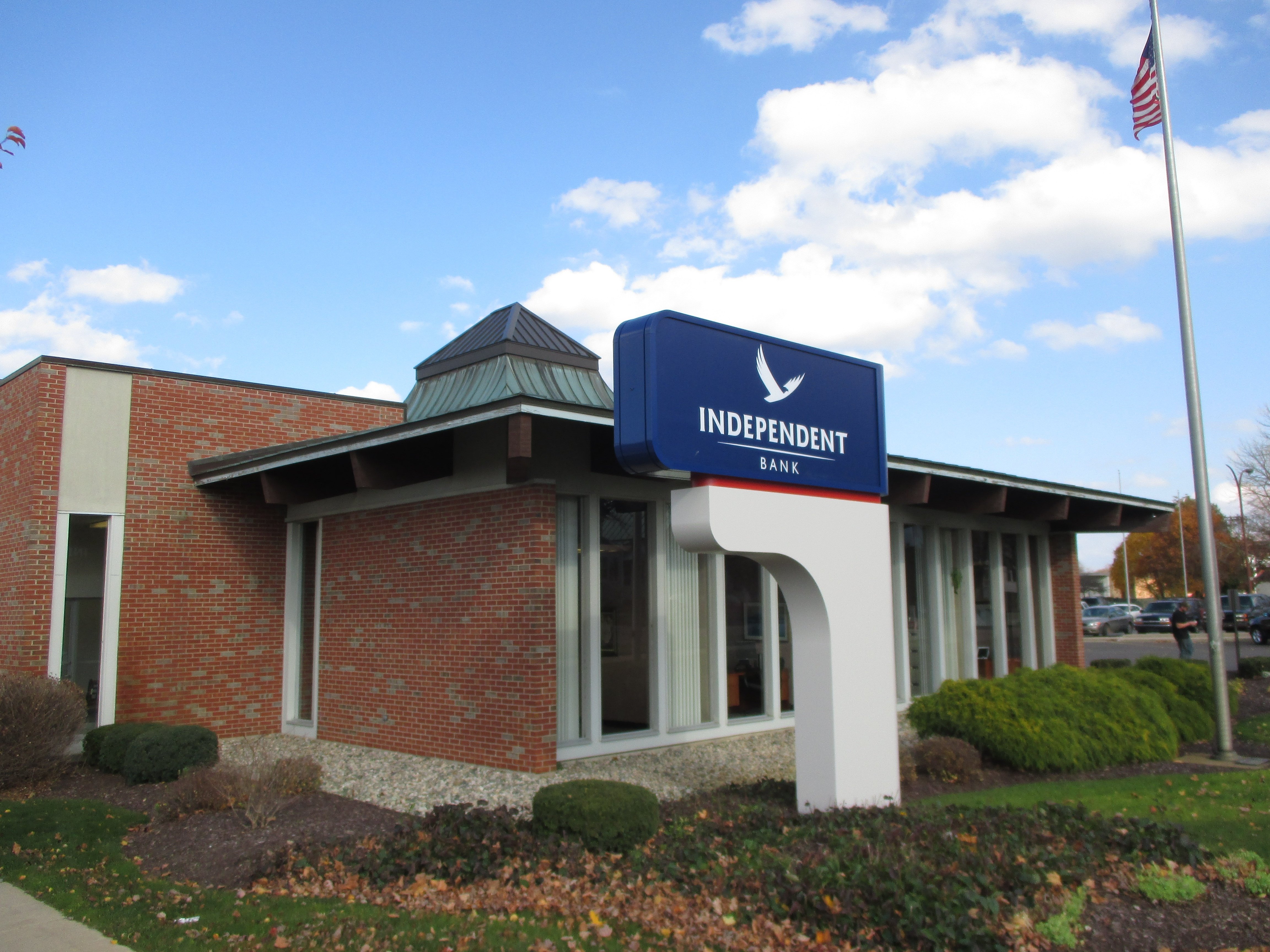
Independent Bank Locations and Hours in Charlotte, MI

Table Of Content Please select your branch from the list below for the most up-to-date information and hours. Want to calculate your mortgag...